
digital attestation

UAE Embassy Updates Document Authentication Process with Digital Attestation

Authenticated documents are a critical requirement for conducting official and legal matters in the UAE. Whether you’re exporting medical products, applying for a work visa, enrolling in a UAE university, setting up a business, or validating a marriage or academic degree, your documents must be properly attested by the UAE authorities to be recognized. Without authentication, these documents may not be accepted by government agencies, employers, or educational institutions.

The UAE government has officially transitioned to digital attestation for all document authentications processed through the UAE Embassy and the Ministry of Foreign Affairs (MOFA). This move is part of a broader initiative to streamline operations, reduce paperwork, and enhance the security and accessibility of authenticated documents. As global document requirements continue to modernize, this digital shift positions the UAE as a leader in efficient and secure international document handling.

What Is Digital Attestation?

Digital attestation is the electronic authentication of documents, replacing traditional methods that relied on physical stamps and signatures. Now, instead of a physical stamp affixed to your document, the UAE Embassy and MOFA will issue a digital certificate that authenticates the document’s legitimacy.

Key details include:

  • Digital certificates are attached electronically to each attested document, ensuring seamless integration and traceability. 
  • Documents processed via MOFA’s official attestation platform can be authenticated at verify.mofa.gov.ae, allowing for real-time confirmation by receiving institutions. 
  • A sample digital certificate is available for reference upon request, helping clients understand what to expect. 

This modernization ensures faster turnaround times, minimizes human error, and reduces the risk of document tampering or misplacement. It also simplifies the authentication process for institutions and employers across the UAE, as they can now confirm documents through a secure online portal rather than relying on manual inspection.

Why the Change Matters

Transitioning to a digital format is more than just a technology upgrade. It is a significant leap toward international best practices in document security and compliance. In a business climate where timely and secure documentation is critical, digital attestation supports smoother operations for both individuals and organizations managing cross-border activities with the UAE.

Digital attestation also facilitates a more eco-friendly approach to documentation by reducing the need for paper handling and international courier services. With the global shift toward sustainability and digital transformation, this update aligns well with modern business expectations and regulatory requirements.

Preparing for the New Digital Attestation Process

  • All documents submitted moving forward will be processed under the new digital attestation system. 
  • Budget accordingly for the updated pricing and plan submissions with the new requirements in mind.

For organizations managing employment visas, academic records, or corporate contracts with UAE entities, these changes require timely adaptation. Our team is available to assist with navigating these updates and ensuring documentation remains valid and accepted under the new system.

Trust WCS for End-to-End Attestation Services

As a leading document authentication provider, WCS is fully equipped to handle all aspects of the UAE attestation process. From document preparation to submission, payment, and final authentication, our experienced team ensures complete compliance with the latest embassy and government protocols.

Our deep knowledge of international requirements, combined with our proactive communication and support, makes WCS the trusted partner for businesses and individuals needing secure, accurate, and timely document processing.

If you have questions about how digital attestation affects your current or future submissions, or if you need assistance navigating the updated fee structure, please reach out to our team for personalized guidance.

Key Takeaways

  • The UAE has adopted a fully digital attestation process for document authentication. 
  • Digital certificates replace physical stamps and can be verified online. 
  • WCS has covered the increased fee for documents already in process. 
  • Authenticated documents are essential for employment, education, and legal use in the UAE. 
  • WCS ensures full compliance and support throughout the authentication process. 
Top International Markets for Pharma and Medical Devices

Top International Markets for Pharmaceuticals & Medical Devices: Why Document Authentication Matters for Global Trade

In today’s high-speed life sciences landscape, global expansion is as much about compliance as capability. It’s not just where you manufacture or ship, but whether your documents pass regulatory checkpoints without delays. In this piece, we’ll highlight the most promising international markets and show how a streamlined apostille document service can give your firm a competitive edge. 

Global supply chains have transformed significantly since the COVID-19 pandemic. Pharma and med-tech firms are no longer just exporting products, they’re exporting operations: licensing, certifications, partnerships, clinical trial data, and intellectual property. All of this movement hinges on one critical factor: documentation that holds up under scrutiny abroad. 

Authentication: Apostille vs Consular Legalization 

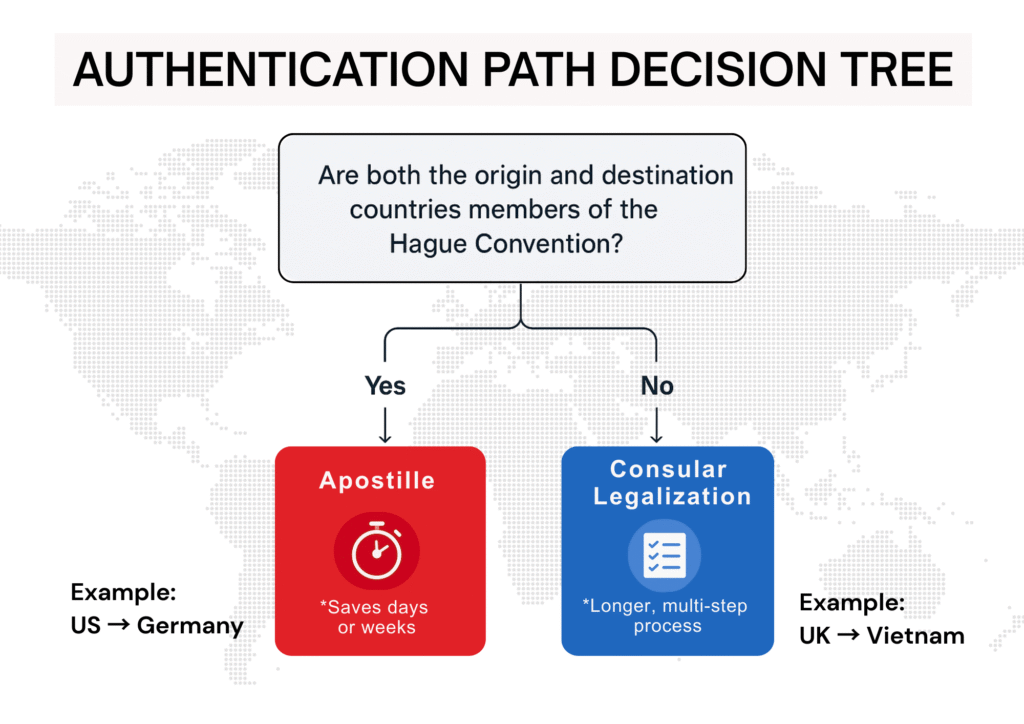
When both the origin and destination countries are members of the Hague Apostille Convention (which includes over 120 nations), document authentication is as simple as an apostille, a fast, single-step certification. 

However, if either country is outside the treaty, you’re plunged into consular legalization, a multi-step process involving notary, governmental, and embassy approvals that can add weeks to your timeline. 

To check if the country is a Hague member or not, please check this page: Hague and Non-Hague Apostille Convention Countries 

The most commonly authenticated documents include Good Manufacturing Practice (GMP) certificates, Certificates of Pharmaceutical Product (CPPs), commercial invoices, clinical trial authorizations, and CE markings for devices. Without proper authentication, these documents can be rejected outright, delaying approvals or shipments indefinitely. 

Pharmaceuticals: Where’s the Demand? 

United States 

  • It’s a mature, high-regulation market, making proper authentication (especially via apostille when applicable) critical to seamless submissions to bodies like the FDA. 

China 

  • The country accepts both apostilles and legalizations from non-Hague countries. 

Germany & EU 

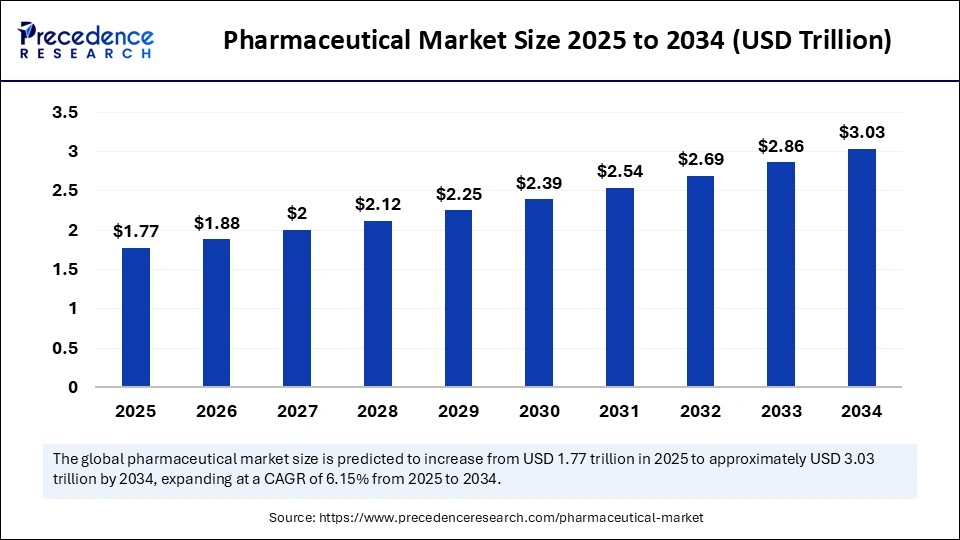
  • Germany leads Europe with a pharma market worth over $56 billion, including nearly $12 billion in exports to other EU countries. 
  • The broader EU pharma market totals around $330 billion. 
  • Since all of these countries are Hague members, apostille applies. 


Japan 

  • It’s a Hague member, so apostille is an option for countries also in the treaty, meaning streamlined authentication when applicable. 

Brazil 

  • Brazil, being Hague member, accepts apostilles. 


Medical Devices: High Growth, High Stakes 

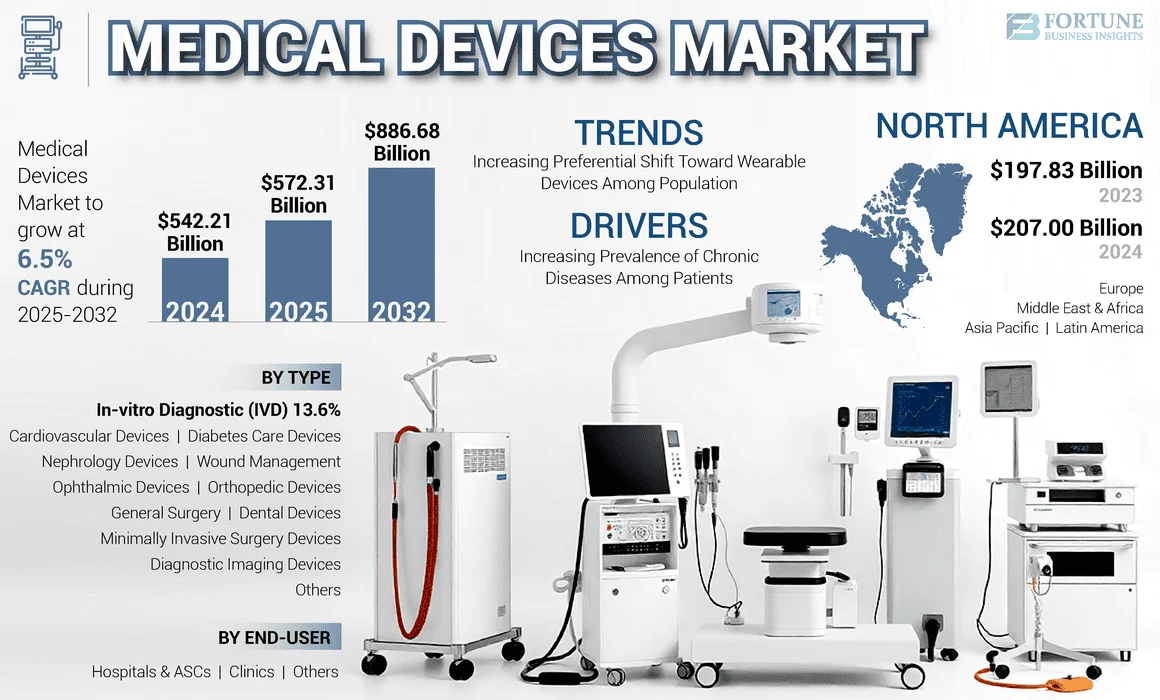
Source: Fortune Business Insights 

United States 

  • Navigating FDA approval often means heavy documentation. A smooth Apostille Document Service is key for Hague-member trade partners. 

China 

  • Stringent documentation rules make apostille, where applicable, well worth doing right the first time. 

Germany & EU 

  • German medical device exports exceed $27 billion, making it a global export leader. 

South Korea & Japan 

  • South Korea’s market stands near $15 billion, while Japan is at $32 billion. 
  • Both are Hague members, so apostille is available for mutual document recognition, making export smoother. 

India 

  • India is a Hague member, so apostille applies for compliant document transfers with other member countries. 

Why a Professional Apostille Document Service Makes Sense 

Top International Markets for Pharma and Medical Devices Infographic

  • Time Savings: Apostille steps are faster than embassy or consulate legalization. In Hague-to-Hague routes, apostille can shave off days or even weeks. 
  • Mitigated Risk: Incorrect authentication can trigger costly regulatory rejections. A professional service helps ensure compliance the first time around. 
  • Scalability: Whether your pharma firm is entering Germany or your device startup is heading to Japan, having consistent authentication workflows (apostille when eligible; legalization otherwise) means fewer scheduling headaches. 

Ready for Seamless Global Compliance? 

Whether you’re expanding your pharmaceutical reach or navigating medical device entry into new countries, getting authentication right is non-negotiable. WCS can help. Our dedicated apostille document service ensures your documents meet the right standards, whether apostille or legalization, so your products get to market faster and more reliably. 

Contact WCS today to set up your authenticated documentation process and make global expansion effortless. 

Key Takeaways 

  • Top pharma markets: United States ($550B), China ($160B), EU/Germany ($330B/$56B), Japan ($95–100B), Brazil ($30B). 
  • Top medical device markets: U.S. ($180B), China ($70B), Germany/EU ($27B/$160B), Japan ($32B), South Korea ($15B), India (~$20B). 
  • Authentication matters: Authentication includes both apostille and legalization. Use apostilles when both countries involved are Hague members. Otherwise, use legalization. 
  • A specialized apostille document service helps streamline approvals, reduce export delays, and keep compliance tidy across high-growth global markets. 


Electronic Apostilles

Electronic Apostilles–Conversation with Hague Conference’s Melissa Ford

It was a promising moment when Melissa Ford, Secretary (Diplomat Lawyer) from the Permanent Bureau of the Hague Conference on Private International Law and Head of the Transnational Litigation and Apostille Division, agreed to meet with us. The topic of choice for Melissa, as well as for all of us at WCS, was electronic apostilles and the building momentum for these so-called e-Apostilles, which make up one of the two components that is known as the electronic Apostille Program (e-APP). The other component is the e-Register which is an online register of issued Apostilles. The ultimate goal of e-Apostilles is to catapult the Apostille Convention, concluded in 1961 by the Hague Conference on Private International Law (HCCH), into the digital age.

What exactly is the HCCH?

The origins of the HCCH, as an organization, stretch back to 1893, when a group of prominent international lawyers came together to discuss a range of cross-border legal issues. These lawyers were working towards the unification of some of these laws that were relevant to the cross-border issues (namely, private international laws). This work grew into what is now a thriving permanent intergovernmental organization, supported by a Permanent Bureau. But the Apostille Convention stands as a major contribution of this sometimes-overlooked organization, based in the Netherlands.

More about Apostilles

The apostille process, for stamping and validating official documents, eliminates the oldfashioned and cumbersome way of doing things. For Contracting Parties to the Apostille Convention, the complicated, multi-step process involving, not only government authentication but approvals from embassies and chambers-of-commerce is no longer required.

The streamlined apostille process, did not, however, happen overnight; far from it. Each sovereign nation had to sign the Convention if it wanted to make use of its provisions. And only if two countries—the document host and the recipient—were treaty members—could an apostille be used to replace the old multi-step process of embassy legalization.

And so the first “Contracting Parties” were in Western Europe.

But the U.S. did not join until October 15, 1981—fully twenty years after the Convention
was concluded.

India did not enter until 2005.

And Brazil, today one of the most frequent users of e-Apostilles, did not join until 2016. Some countries, including major markets, joined in the last few years: China, Canada, Indonesia, Singapore, Saudi Arabia—all of which are Contracting Parties today. While the Apostille Convention greatly simplifies the process for authenticating pharmaceutical documents, for example—also criminal background checks, birth certificates, marriage certificates, diplomas, powers-of-attorney, and more—delivery of paper documents was most often still required. Today, the goal is an end-to-end digital process, and we had the pleasure of discussing this topic with Melissa Ford, the HCCH’s key advocate and coordinator of e-Apostille implementation.

What do you see as the main benefits of e-apostille?

The future of e-Apostilles aligns with other services governments are providing to their citizens. More and more often, the underlying public documents are being issued digitally. It really doesn’t make sense to place a physical certificate on a digital document. It is worth noting that e-Apostilles have the same value as paper Apostille, and the information recorded in an e-Apostille is the same—it needs to comply with the 10 standard items of the Apostille certificate. This is set out in the Practical Handbook:

https://assets.hcch.net/docs/a19ae90b-27bf-4596-b5ee-0140858abeaa.pdf 

The e-Apostille is able to be accepted in the same manner as the paper Apostille in any Contracting Party where the Convention is in force.

How advanced is technology currently available to implement e-apostilles?

We don’t monitor the particular technology that is used. What we do is try to understand what the environment might be like for Contracting Parties. How do they issue public documents? Are they paper; are they electronic? We don’t monitor specific IT, but we certainly facilitate the IT discussions by matching like Contracting Parties together. For example, if a Contracting Party only issues digital public documents, we will try to match them with another Contracting Party with a similar environment so their IT specialists can speak to each other about implementation if we are asked to provide such assistance, of course.

Do you foresee many new players developing technologies that will be acceptable?

The design roll-out and the use of IT developers and technologies is a matter for the Contracting Parties. Some use in-house technologies, others go outside–so there are a range of options and that is part of the beauty of the e-APP, it is flexible. The important thing to note is that only a Competent Authority can issue an Apostille (electronic or paper version).

Why has the Hague Convention chosen a purely agnostic approach to technology development?

The agnostic approach is a positive thing. Different environments will need different technologies. So we’ve been very flexible on that. Some Contracting Parties want to develop the capability in house. Others might need to go out and get some external advice or source developers.

Which are the top countries using e-Apostilles?

We have a couple of different meetings we organize from time to time, and one is a very large meeting which is known as a Special Commission. We try to capture data from Contracting Parties in advance of the Special Commission. However, one of these meetings has not been held since 2021. But we know thousands of e-Apostilles are being issued based on reports from specific Contracting Parties.

In terms of Apostilles in general (and speaking here only about paper Apostilles) China, as a new Contracting Party, has really changed the data. China has not begun issuing eApostilles, but China has really altered the sheer numbers of Apostilles being issued each year.

The UK, as is sometimes thought, was not the first country to issue e-Apostilles. Spain has been issuing e-Apostilles since 2008. The UK started to develop the capability to issue eApostilles after returning from one of our international meetings on the e-APP in Brazil in 2019.

It’s difficult to speculate on the number of e-Apostilles, because we don’t have recent data. But data capture is something we’re keen to keep working on.

How do Contracting Parties assign the competent authorities for apostille issuance?

How and which agency is designated as a Competent Authority is a matter for Contracting Parties. For example, Brazil has a decentralized system when it comes to issuing Apostilles. You can see who the Competent Authorities are for each Contracting Party on our website.

How do you assess the risk of rejection for documents submitted with e-Apostilles?

The rejections have been few in comparison to the amount of e-Apostilles issued, and in those cases, it is more often related to issues with the underlying document, not with the eApostille itself.

Why has the timeline been uneven, for countries to join the Convention?

Sometimes it can be internal structures and legal arrangements that need to be considered. For example, some federal countries have particular requirements. Or countries with huge populations— sometimes the issue might be how are they going to roll this out? There are many different considerations. Some of these newer Contracting Parties have been considering joining the Convention for a number of years. Once a State deposits it instrument of accession to the Convention, the clock starts ticking. The Convention will enter into force in a particular time frame. And so States need to be in a position to accept Apostilles and issue Apostilles. Systems and training should be done in advance—it can just take time. But what I would mention is that many States have joined this Convention
and continue to do so.

Do you see a gradual process of implementation, or will e-Apostilles gain growing momentum?

There may not be a huge shift in one year, but if you look at three to five years, I would like to say that e-Apostilles will be a “no-brainer”, particularly for countries where the underlying public documents are digital. For Contracting Parties with a very sophisticated digital environment, issuing paper Apostilles in that kind of environment is not efficient. The beauty of the future is that e-Apostilles, and the e-APP is not mandatory to implement, but it supports evolving digital priorities. I see the future to be very bright. Here at the Permanent Bureau where I work, the e-APP keeps us very busy. The busiest part of our work in connection with the Apostille Convention is States looking to implement the e-APP.

At the Symposium I attended in Montana in 2024, I showed a graph with an upward tracking line of e-APP implementations over the years. Things are going up on an ongoing basis for the e-APP. We are thrilled about this!

Washington Consular Service

Persistence Is A Virtue: USDOS Reopens Window For Drop-Offs And Pick-Ups

We have been working hard towards this goal, and now we are pleased to announce the U.S. Department of State has reduced the turnaround time for apostilles.

The removal of Covid work-rules has been completed, as of October 1, 2024, and pre-pandemic services restored.

This means Federal documents, including those issued by the FDA, can now be dropped-off and picked-up in person at the State Department’s Office of Authentication.

This represents the return to a process that served WCS well over many years, expediting the pathway of global documents to their destinations around the world.

The current turnaround time for such service is 7 days—a substantial improvement over the multi-month delays of recent years.

WCS has been a constant advocate for the return of window service, and we are grateful to see it reinstated.

We know that it accommodates essential timelines for product exports and offshore manufacturing schedules require expedited.

We understand the impact on populations around the world relying on the arrival of vital medicines and medical equipment. Processing delays also jeopardize contractual deadlines and expiration dates.

Today’s news is indeed cause for celebration, as we also celebrate, at WCS, our 40th year in the business of document authentication.